
Winter Mulching: What, When, and Why
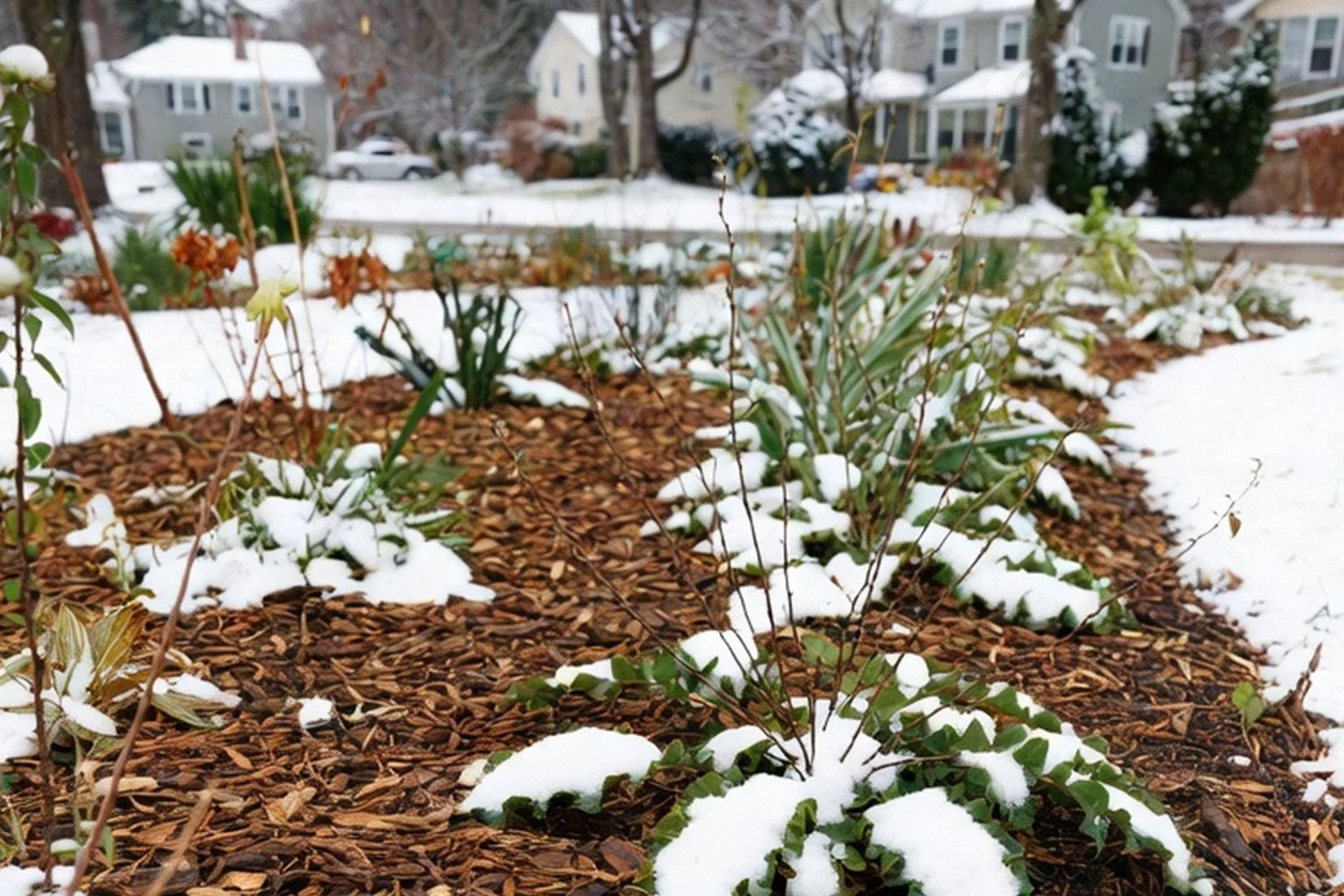
Protect Your Virginia Garden During the Cold Months
Mulch is more than just a finishing touch for garden beds. For homeowners in Charlottesville, Albemarle County, Greene County, Crozet, and surrounding areas, winter mulching is a critical step in protecting plants, stabilizing soil, and supporting healthy growth come spring.
Why Mulching Matters in Winter
Mulch provides several key benefits for your landscape during the colder months:
1. Insulates Roots
Mulch helps moderate soil temperature and protects plant roots from freeze-thaw cycles, which are common in Virginia’s Piedmont region.
2. Prevents Frost Heave
Repeated freezing and thawing can lift and damage roots. A protective layer of mulch keeps plants stable in the soil.
3. Conserves Moisture
Even in winter, soil can dry out due to wind and sun exposure. Mulch helps retain moisture until spring rains arrive.
4. Improves Soil Health
Organic mulches break down over time, feeding soil microorganisms and improving long-term soil fertility.
When to Apply Winter Mulch
Timing is key. Apply mulch after the ground has cooled but before the first hard freeze, usually in late November or December in Central Virginia.
Avoid mulching too early while the soil is still warm, which can encourage late-season growth that may be damaged by cold weather.
How to Mulch Correctly
Follow these steps to protect your plants without causing harm:
Spread 2–3 inches of mulch around shrubs, perennials, and trees
Keep mulch 2–3 inches away from tree trunks to prevent rot and pests
Use organic materials such as shredded bark, pine needles, or composted leaves
Avoid piling mulch in volcano shapes around trees
Properly applied mulch protects plants without suffocating them or creating hiding spots for rodents.
Special Tips for Virginia Gardens
Evergreens: Broadleaf evergreens like boxwoods and hollies benefit most from winter mulching
New Plantings: Newly planted shrubs and trees should have a slightly thicker layer for extra insulation
Exposed Beds: Mulch can protect plants in open yards where winter winds are stronger, such as in Keswick, Crozet, and western Albemarle
When to Remove Mulch
In early spring, remove or loosen mulch as the soil warms to prevent moisture buildup and fungal growth. You can reapply a thinner layer later in spring as needed.
Winter Landscape Care in Central Virginia
Beebe Landscape Design helps homeowners throughout Charlottesville, Albemarle County, Greene County, Crozet, and nearby areas apply proper winter mulch for long-term plant health. Proper mulching ensures your garden survives winter and thrives in spring.
Need help preparing your garden for winter? Contact Beebe Landscape Design at (434) 960-8333 or request a consultation online today.